Nike Core Shoes
A Speculative Study of Nike Core Shoes for Materials and Colorway Strategy
A note on methodology:
This is an independent observational study based on publicly available product imagery and information. I do not have access to Nike’s internal color systems, development tools, or decision-making process. The groupings and rules shown here are simply patterns I observed while studying the shoes from the outside. The goal was not to reverse-engineer a proprietary method, but to understand what could be learned from the product itself, test a few hypotheses, and build a working framework for thinking about footwear color. Where the evidence was unclear, I treated the conclusions as provisional and adjusted the framework as new patterns emerged. This should not take the place of creative design. It does offer a starting point.For every proposed colorway, we should ask:
Who is this intended for, and what do they value about the model?
What emotional or cultural associations does the palette carry?
Does the design offer something genuinely new while respecting the product's existing identity?
How does it fit into a collection rather than competing with everything else?
What makes somebody choose this shoe over another?
We shouldn't invent answers. We should investigate the market, study real consumer responses, and distinguish our hypotheses from actual evidence.
NIKE ZOOM VOMERO 5
COMPONENTS OF THE NIKE ZOOM VOMERO 5
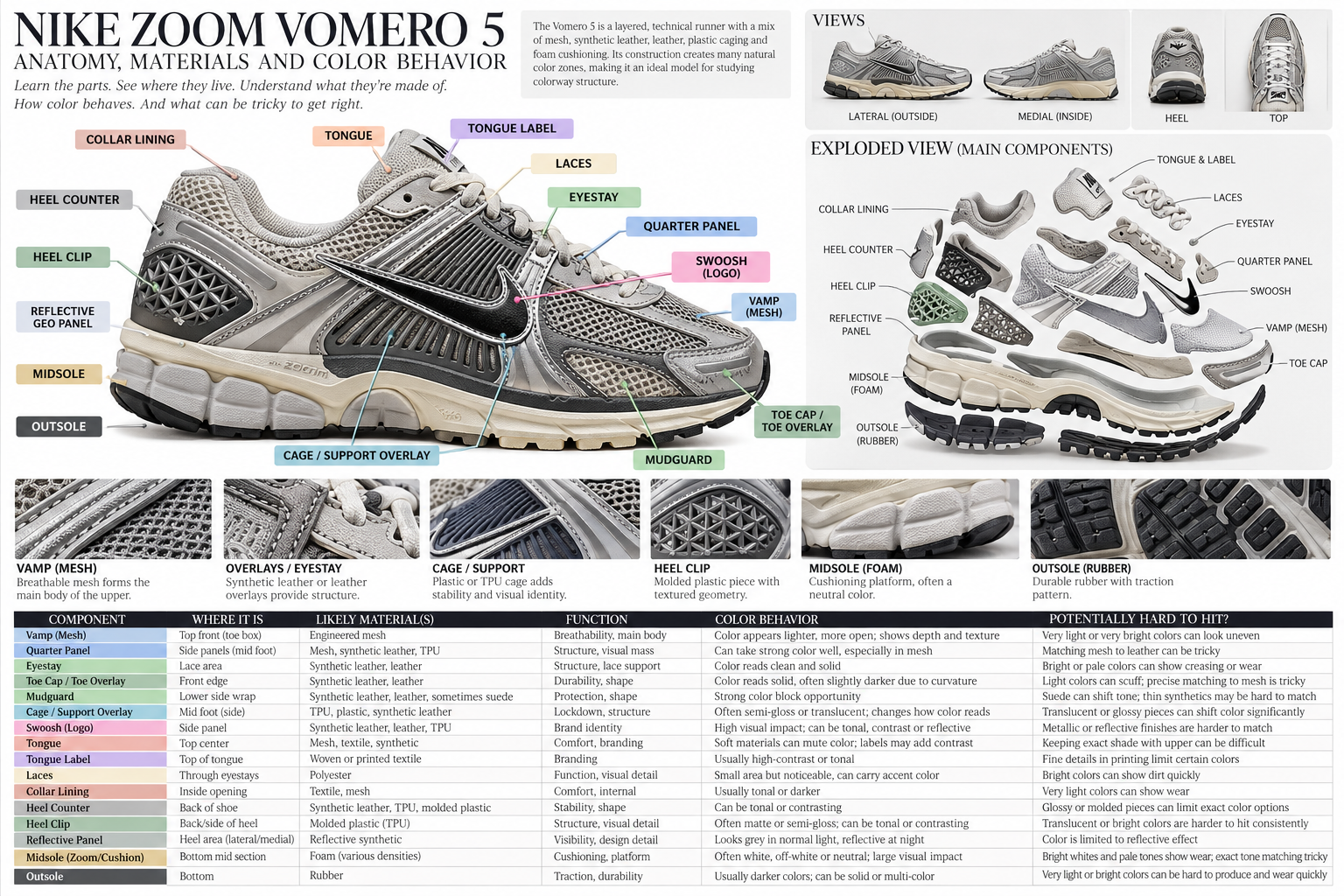
COMPONENTS THAT ALIGN TOGETHER

STUDY OF PRODUCT IN THE MARKET | TURN

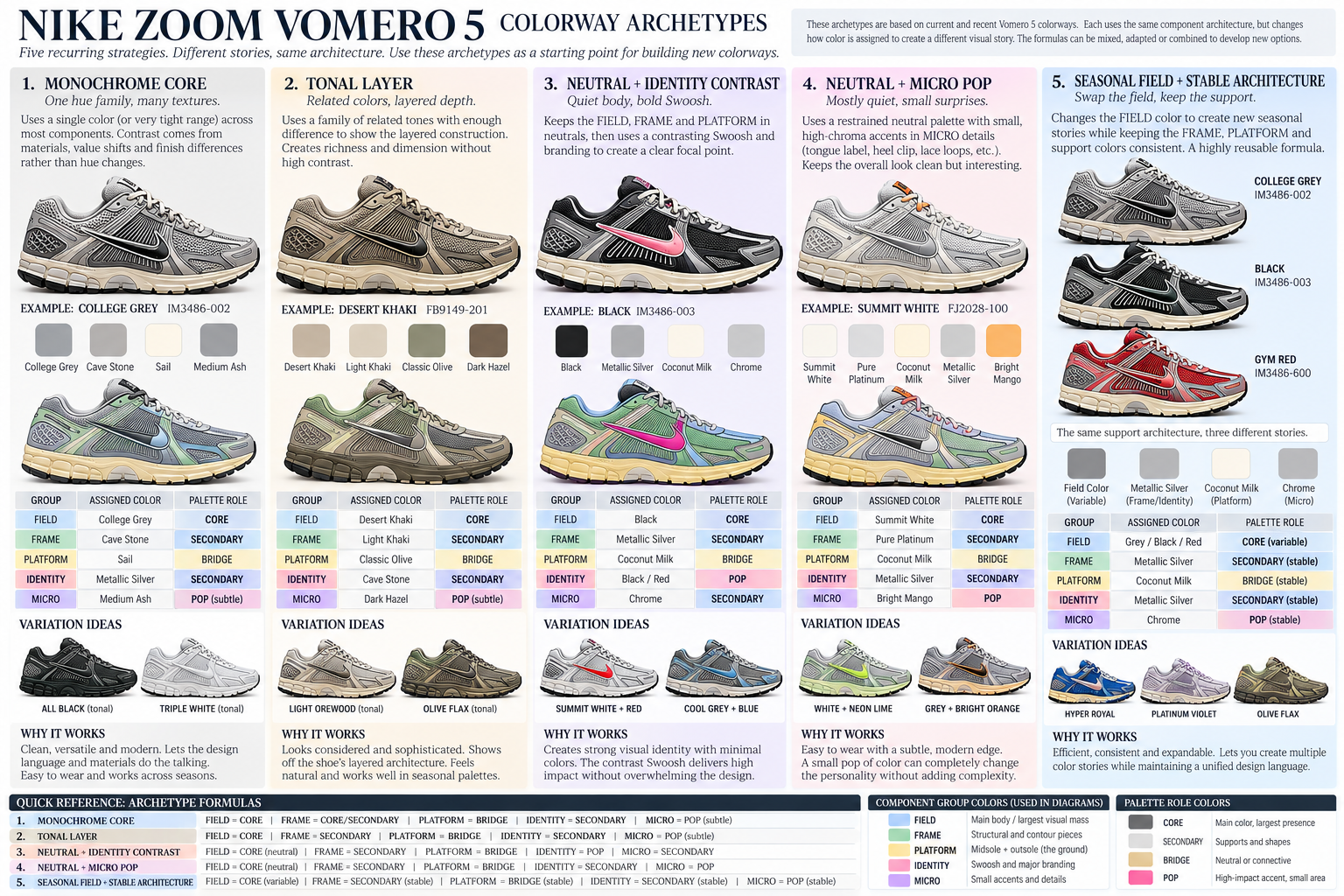
COLORWAY ARCHETYPES
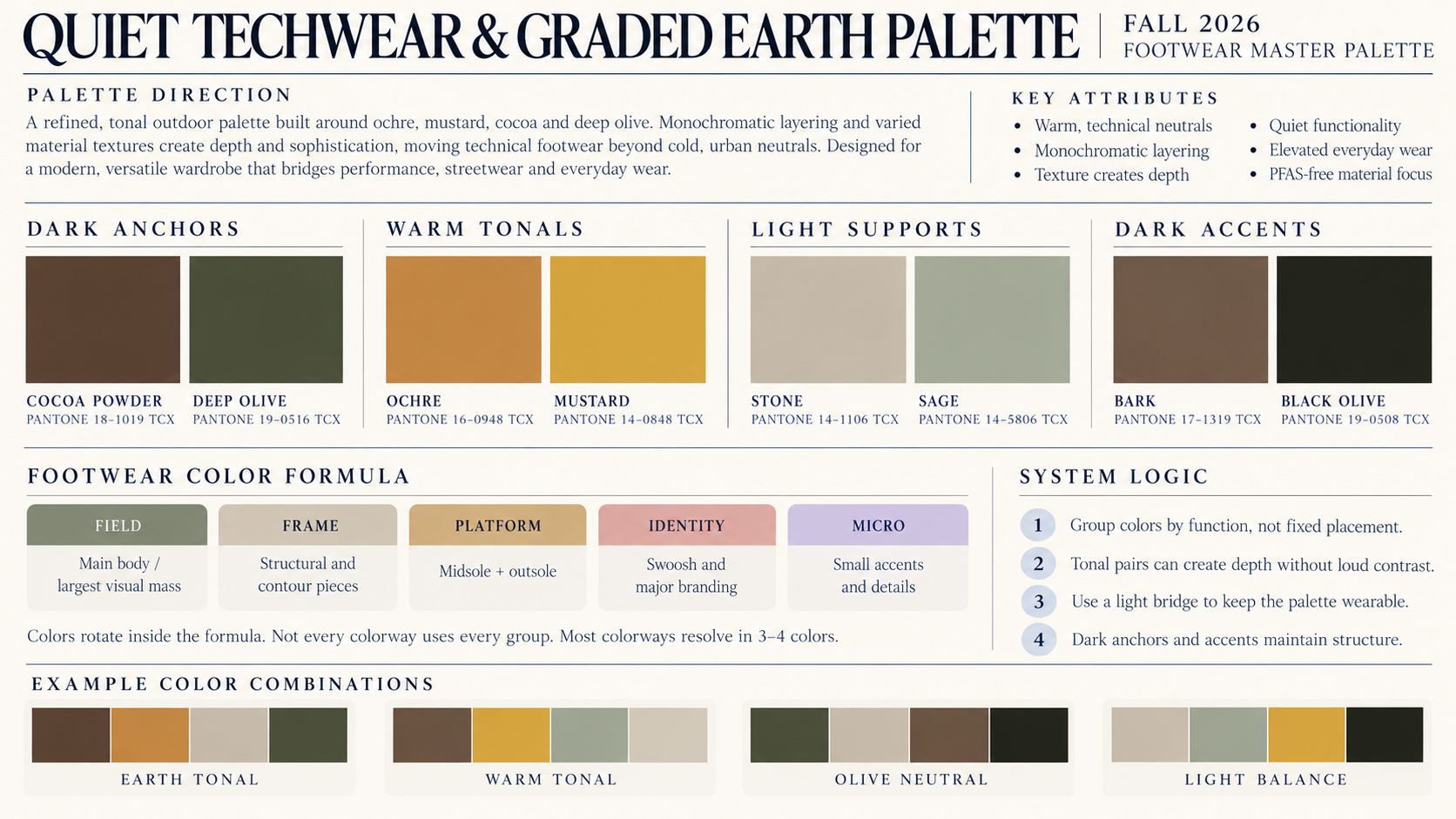
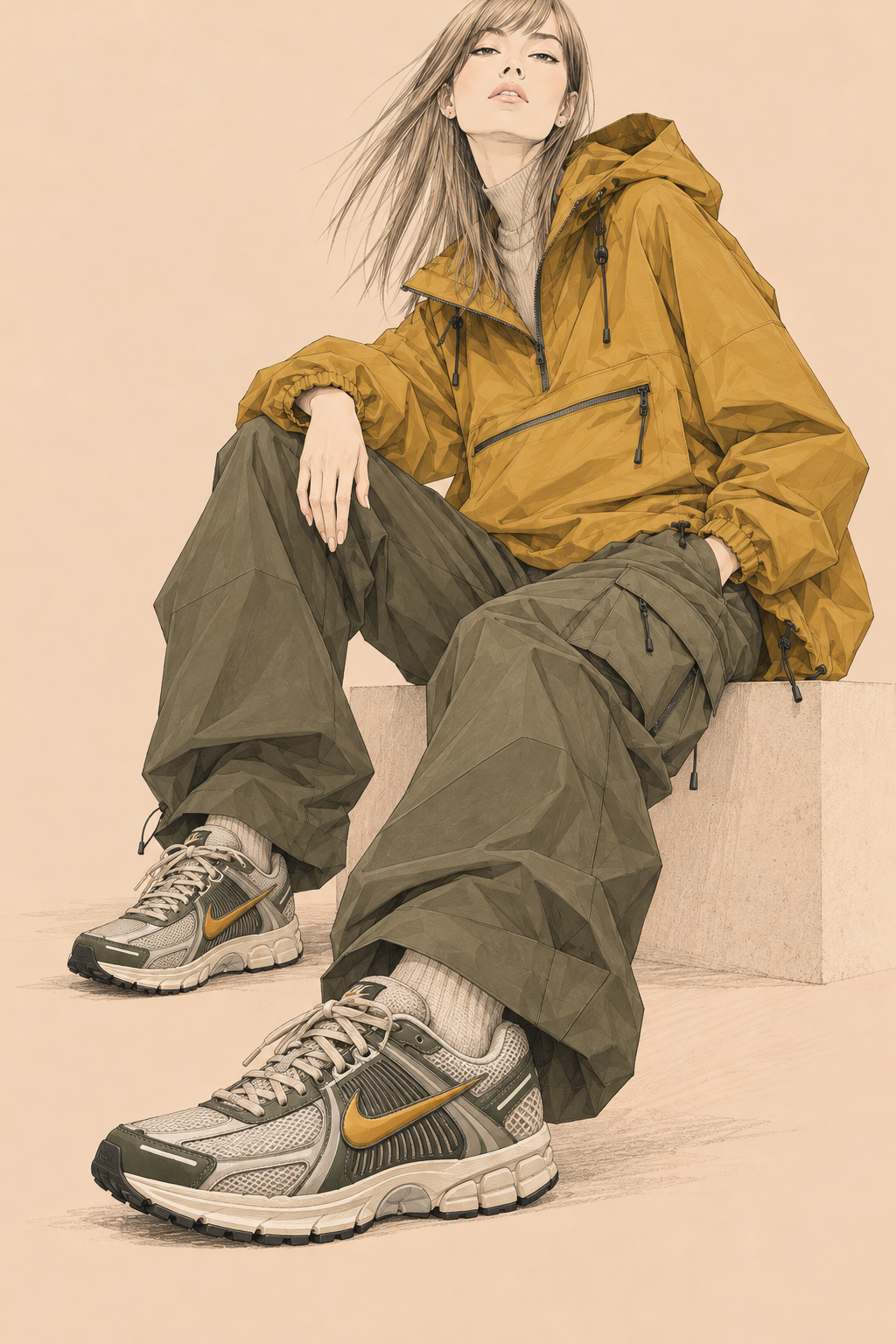
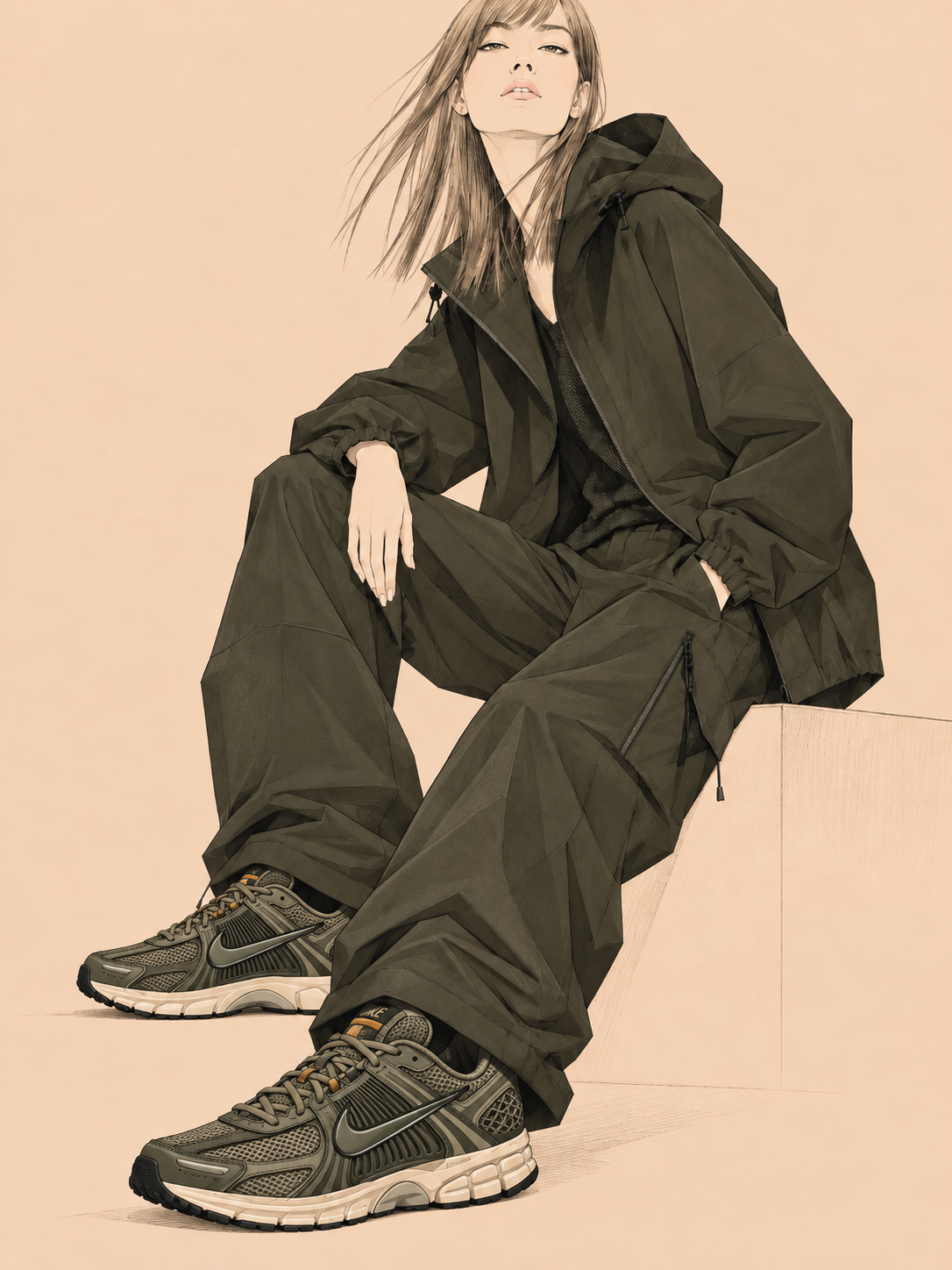
Translating high-level fashion color trends into footwear-specific colorway concepts.
Trend palettes are applied through a structured color-group framework, exploring how color behaves across the shoe's components through changes in proportion, contrast, tonal balance, and placement.


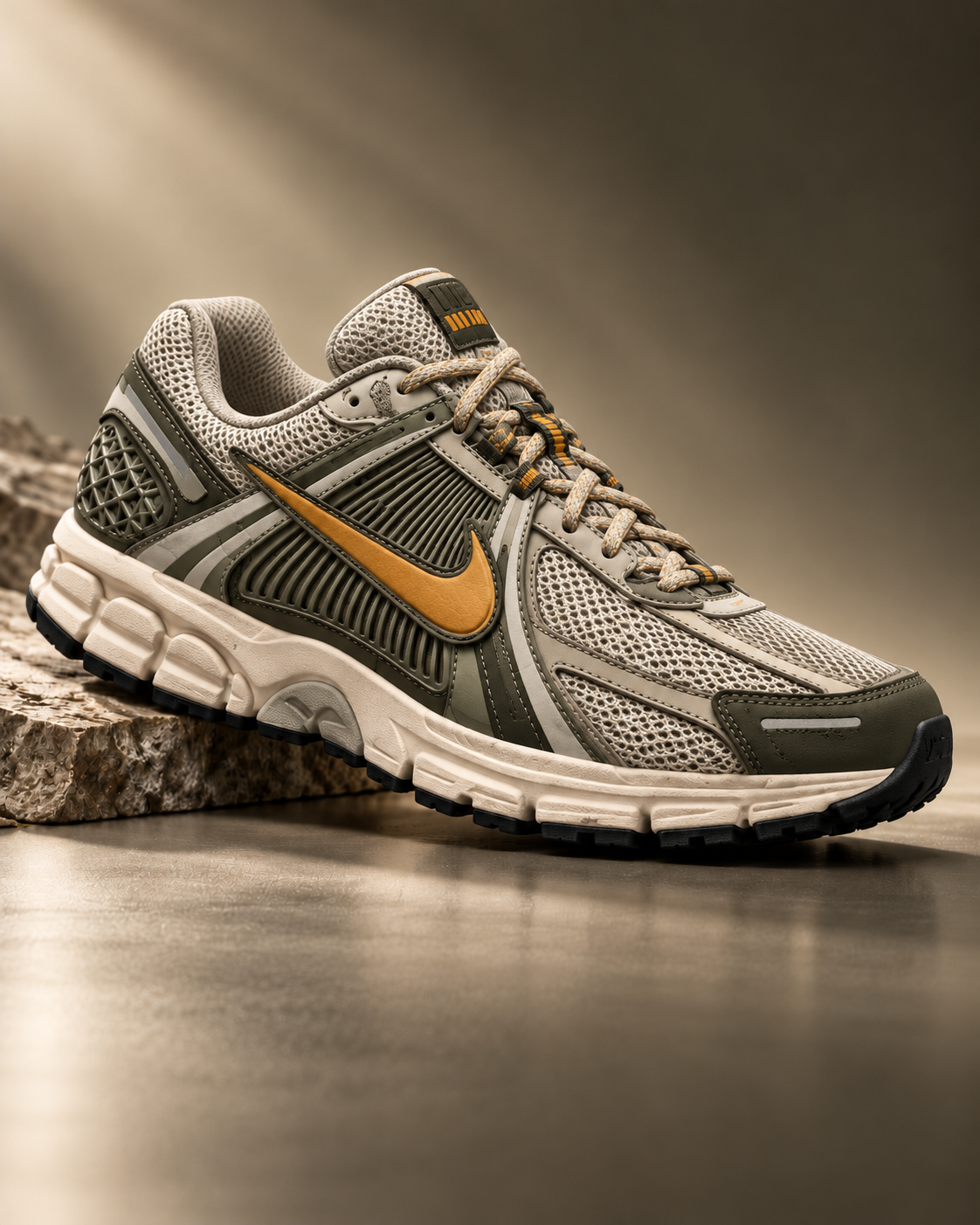
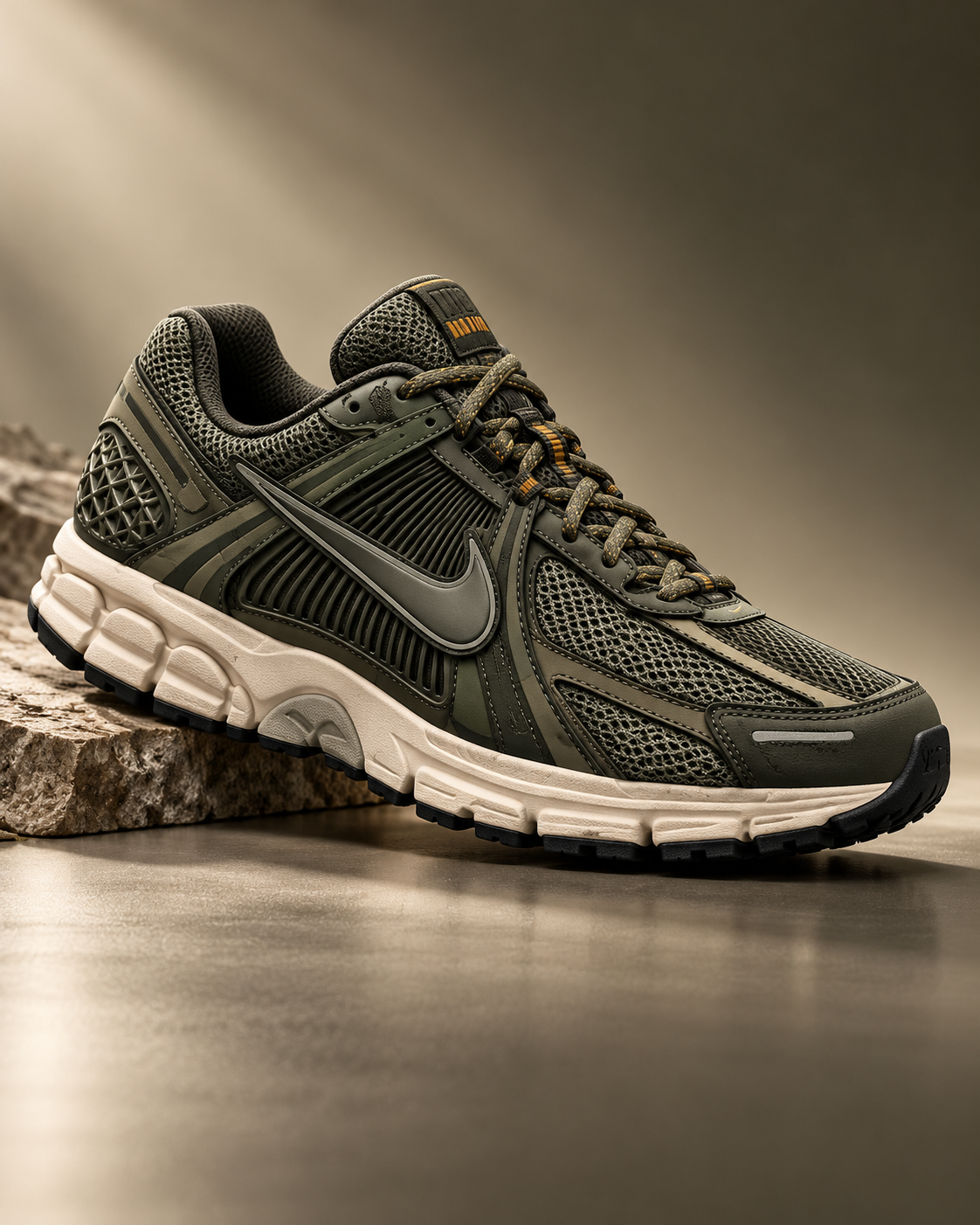
FUN FACT: Nike brought the design into the lifestyle market in 2018, including a collaboration with designer Samuel Ross. The shoe subsequently benefited from the renewed appetite for complicated, layered, early-2000s technical running aesthetics.
NIKE AIR MAX 90
COMPONENTS OF THE NIKE AIR MAX 90
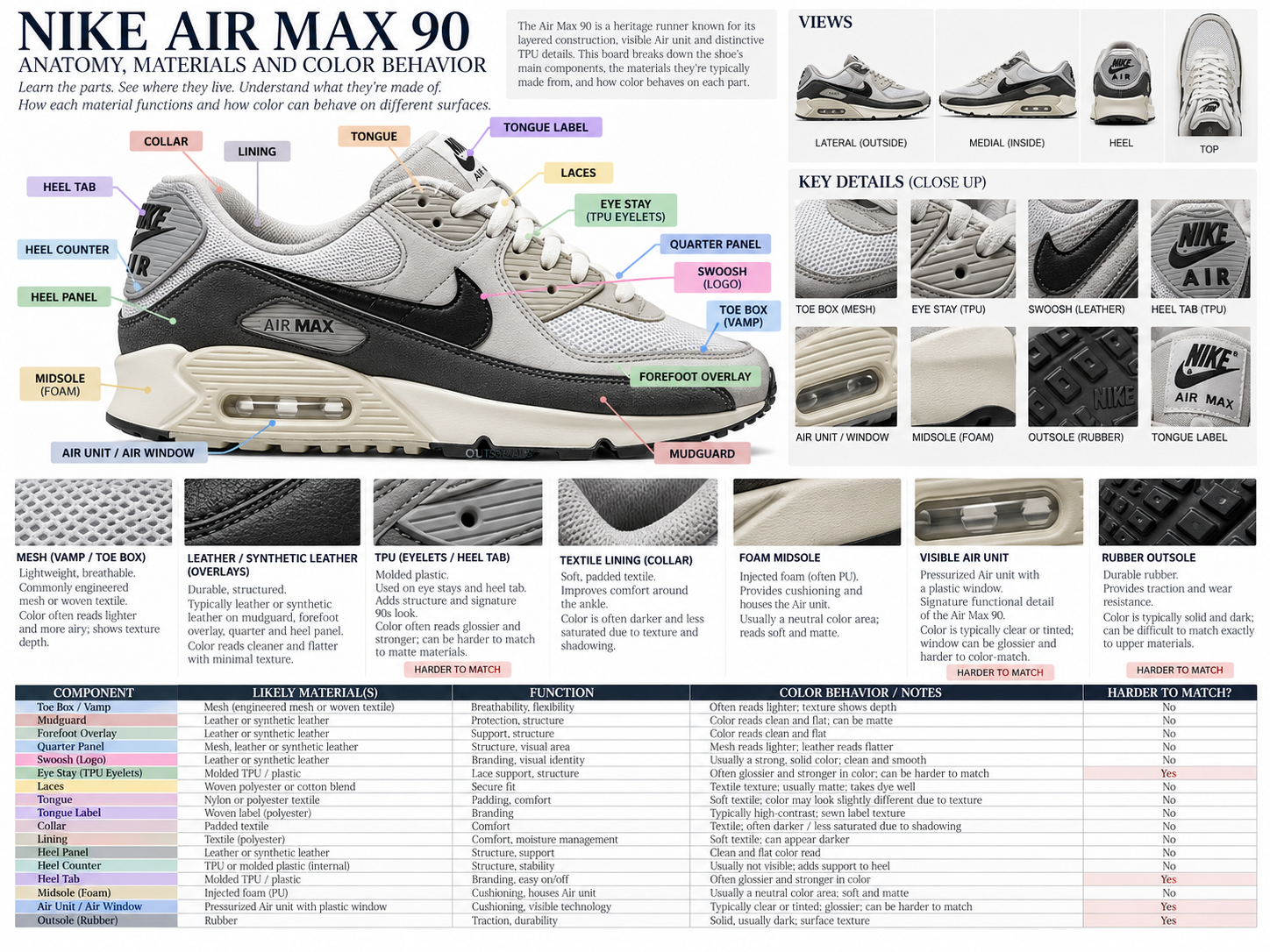
COMPONENTS THAT ALIGN TOGETHER

STUDY OF PRODUCT IN MARKET

COLORWAY ARCHETYPES

FROM COLOR TO FOOTWEAR
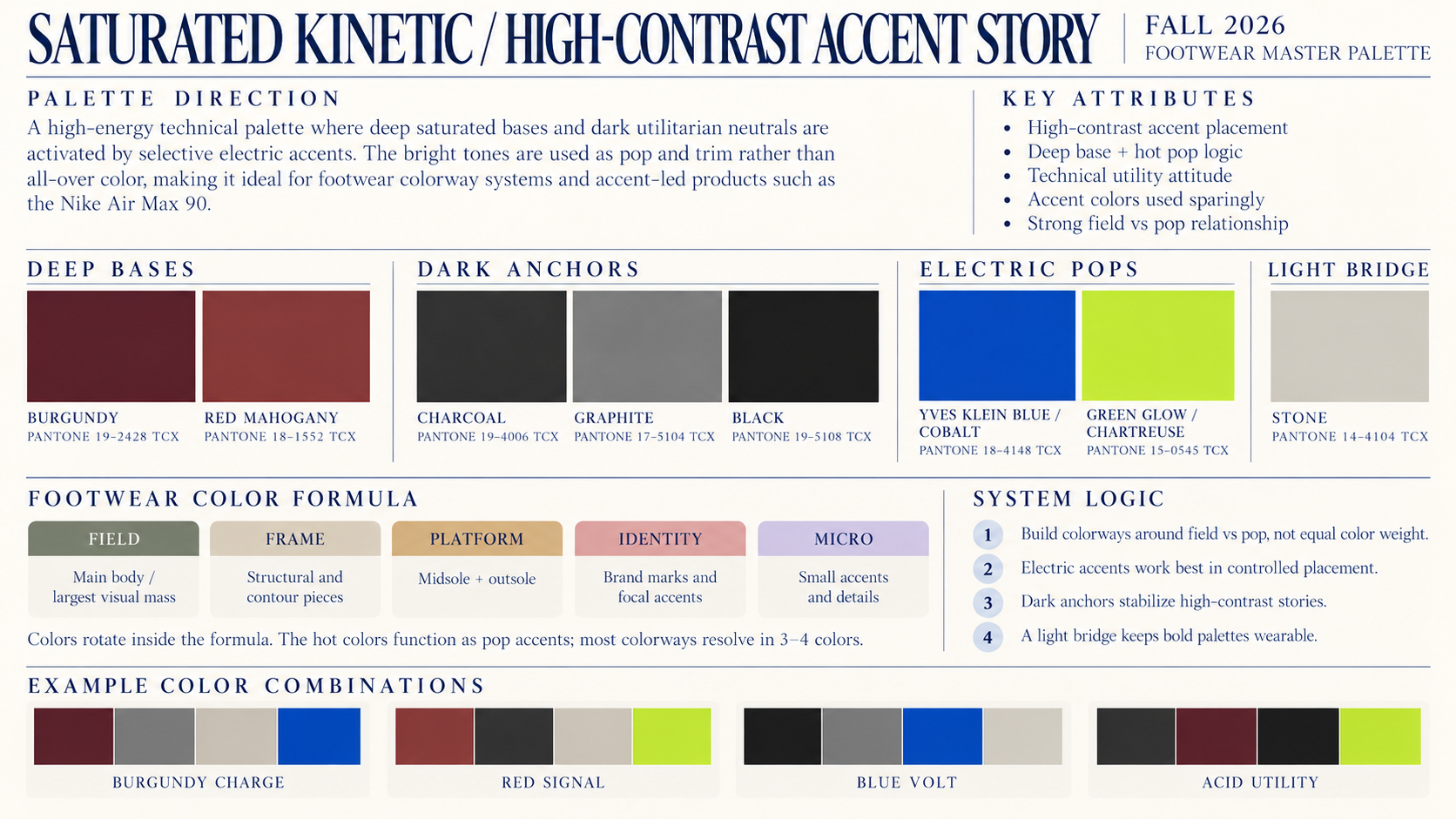


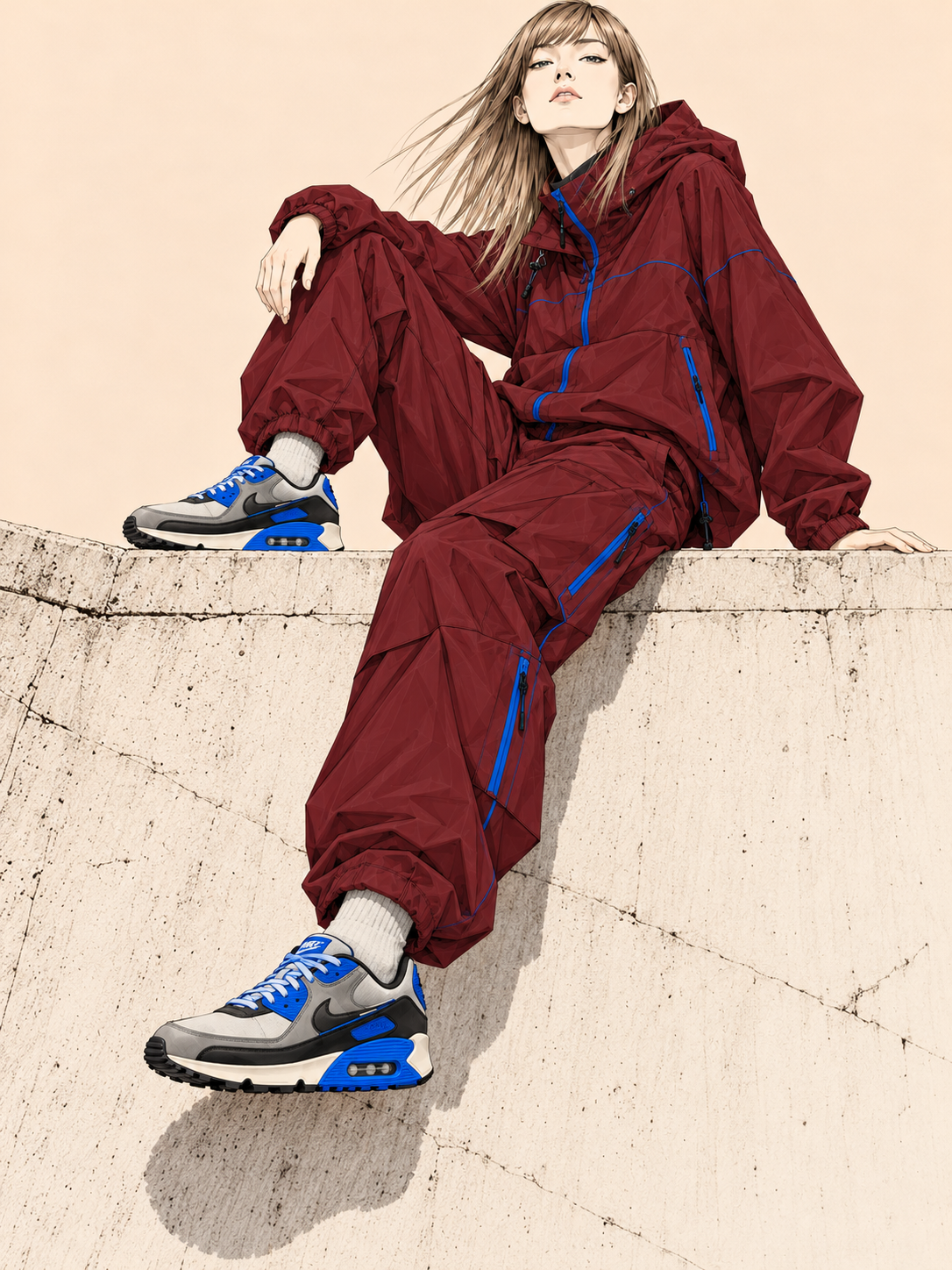
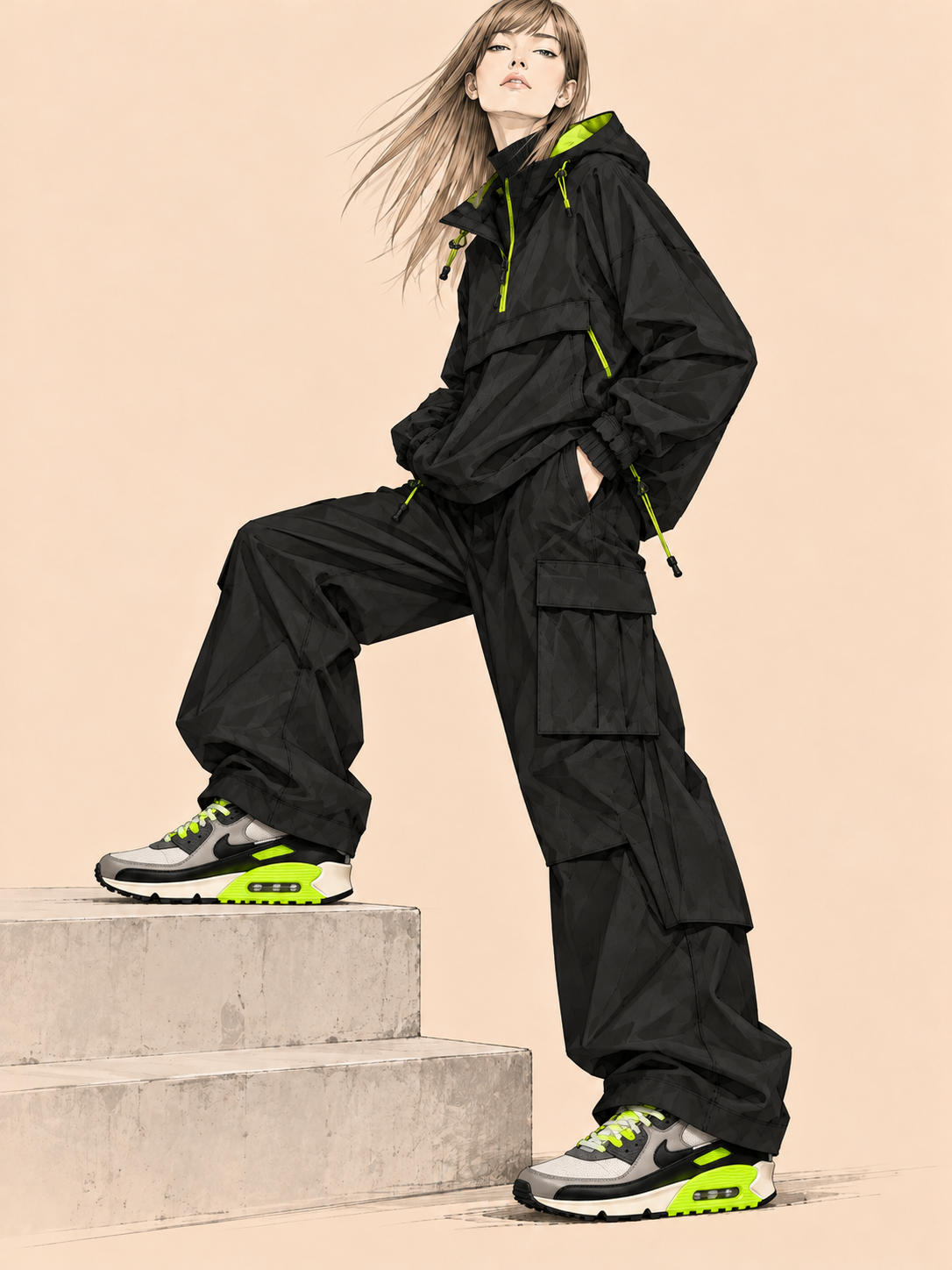
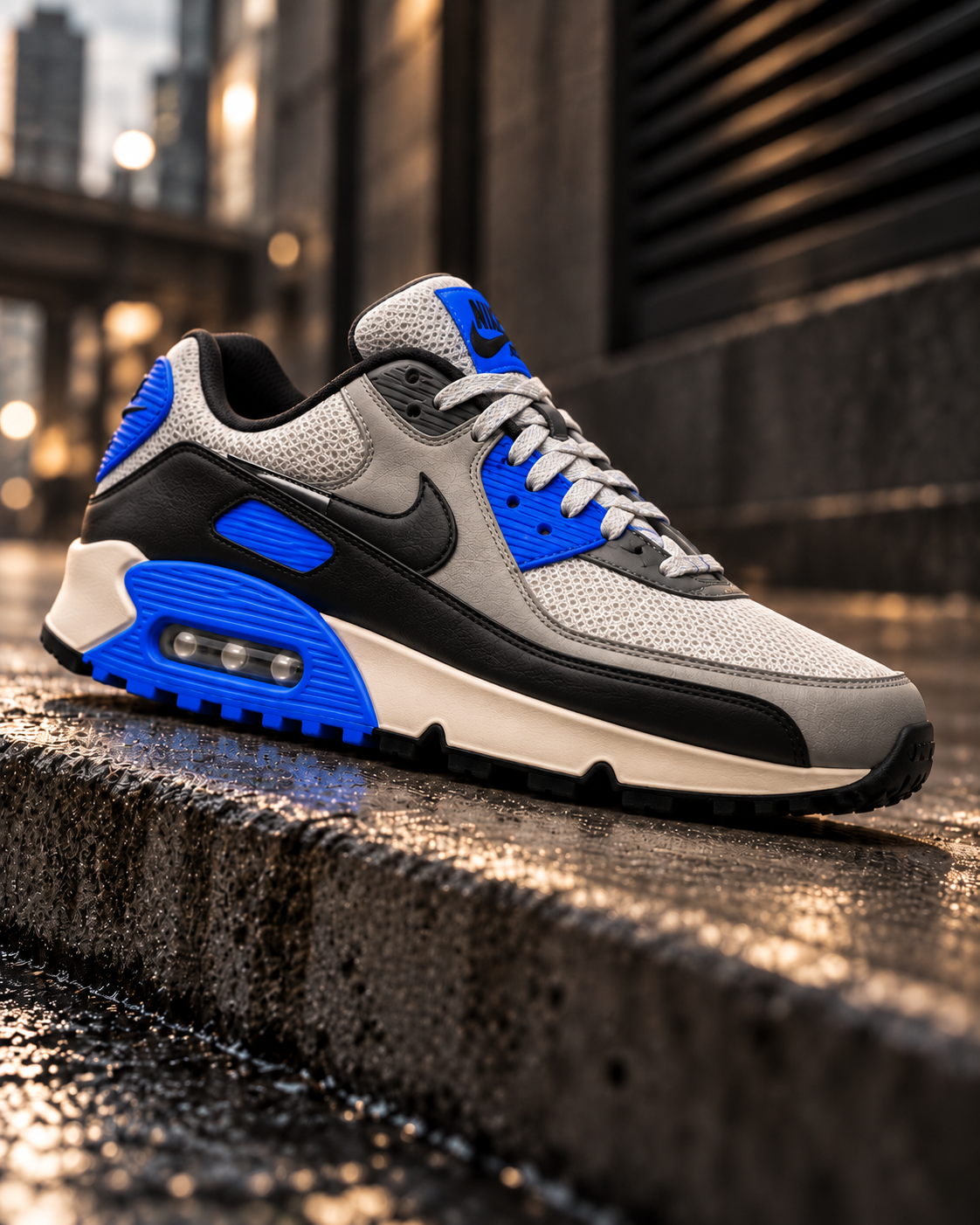
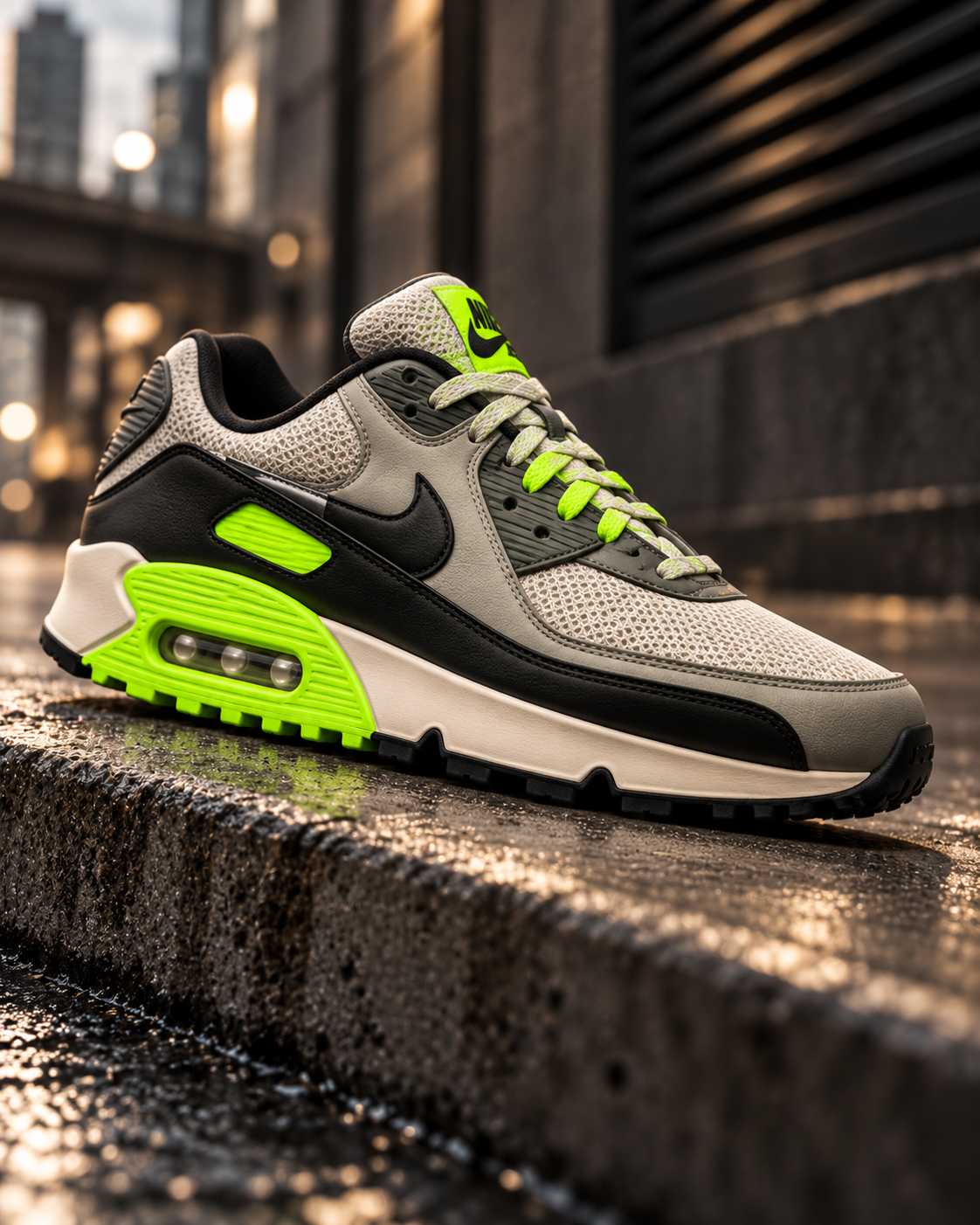
FUN FACT: The Air Max 90 originally launched in 1990.
It was designed by Tinker Hatfield and was originally called the Air Max III because it was the third major model in the Air Max running-shoe lineage.
NIKE AIR FORCE 1
COMPONENTS OF THE NIKE AIR FORCE 1
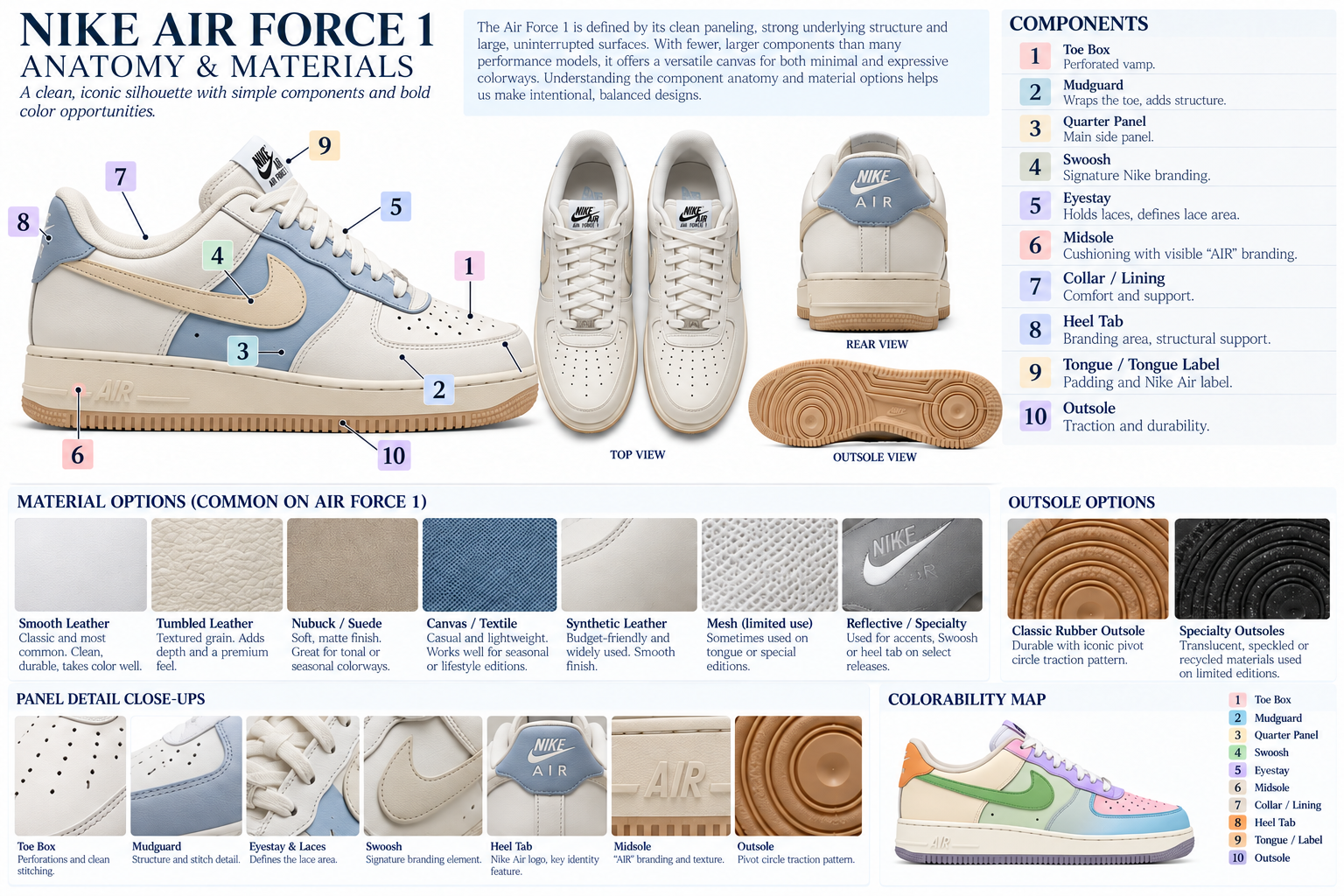
COMPONENTS THAT ALIGN TOGETHER
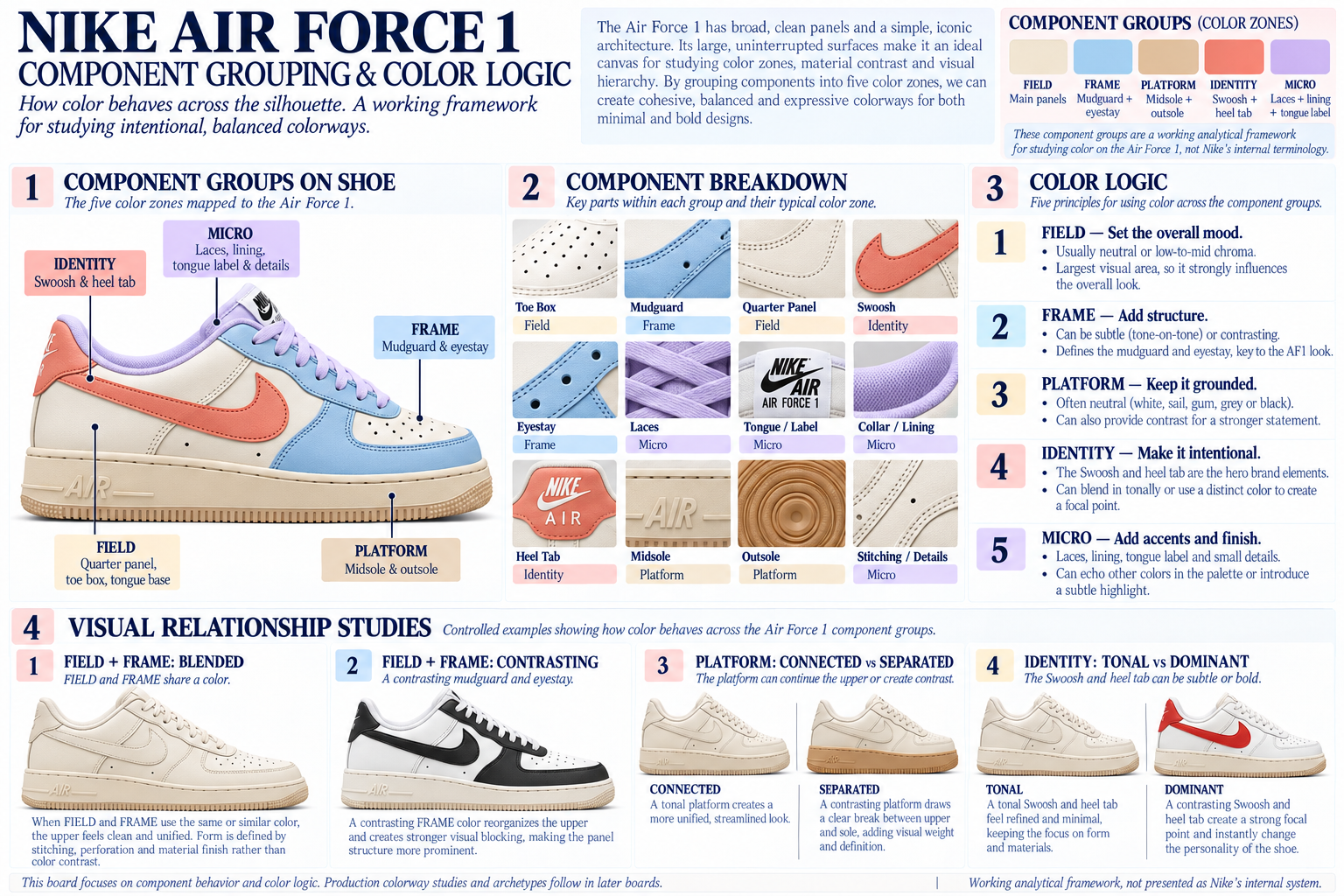
STUDY OF PRODUCT IN MARKET


COLORWAY ARCHETYPES

FROM COLOR TO FOOTWEAR
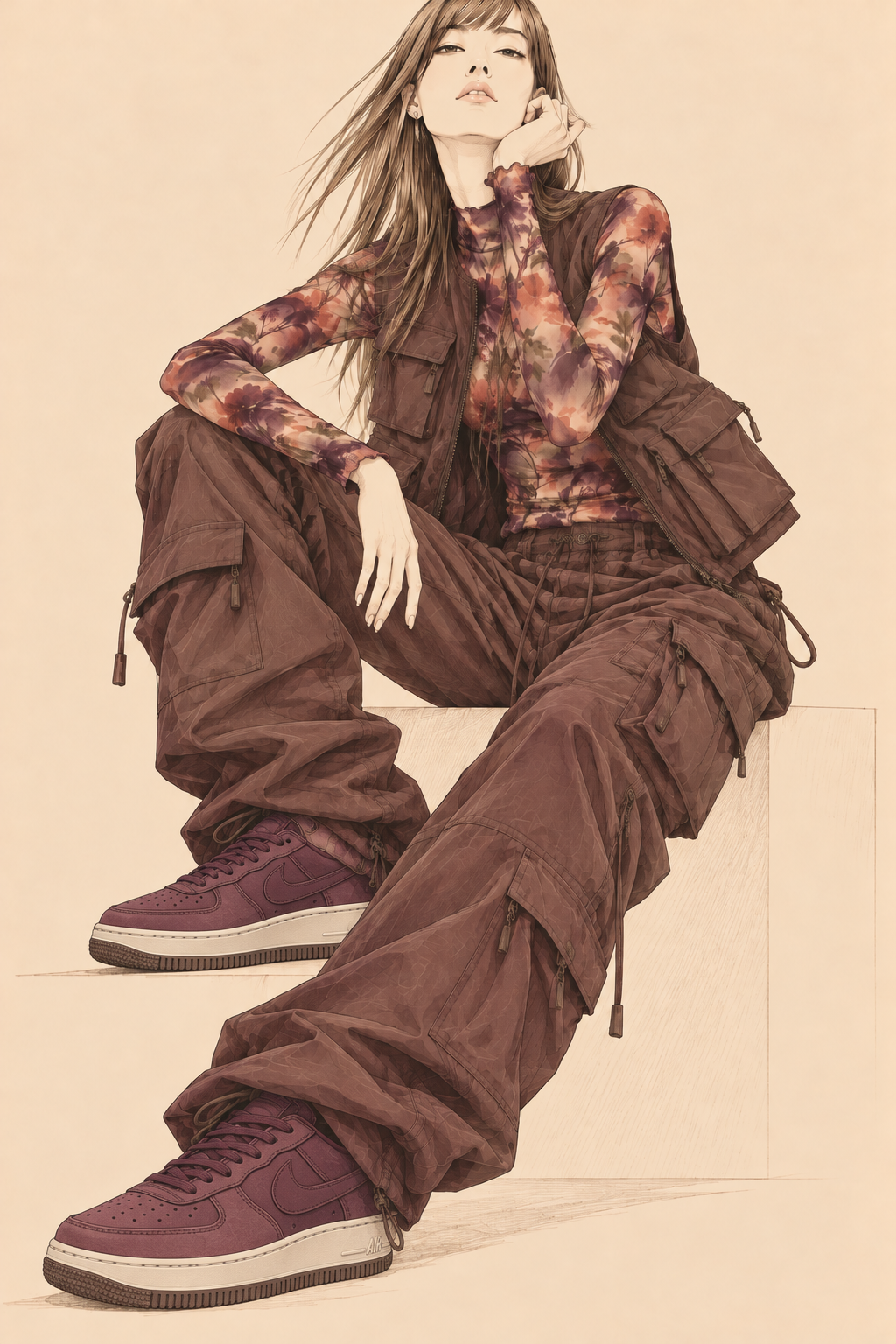

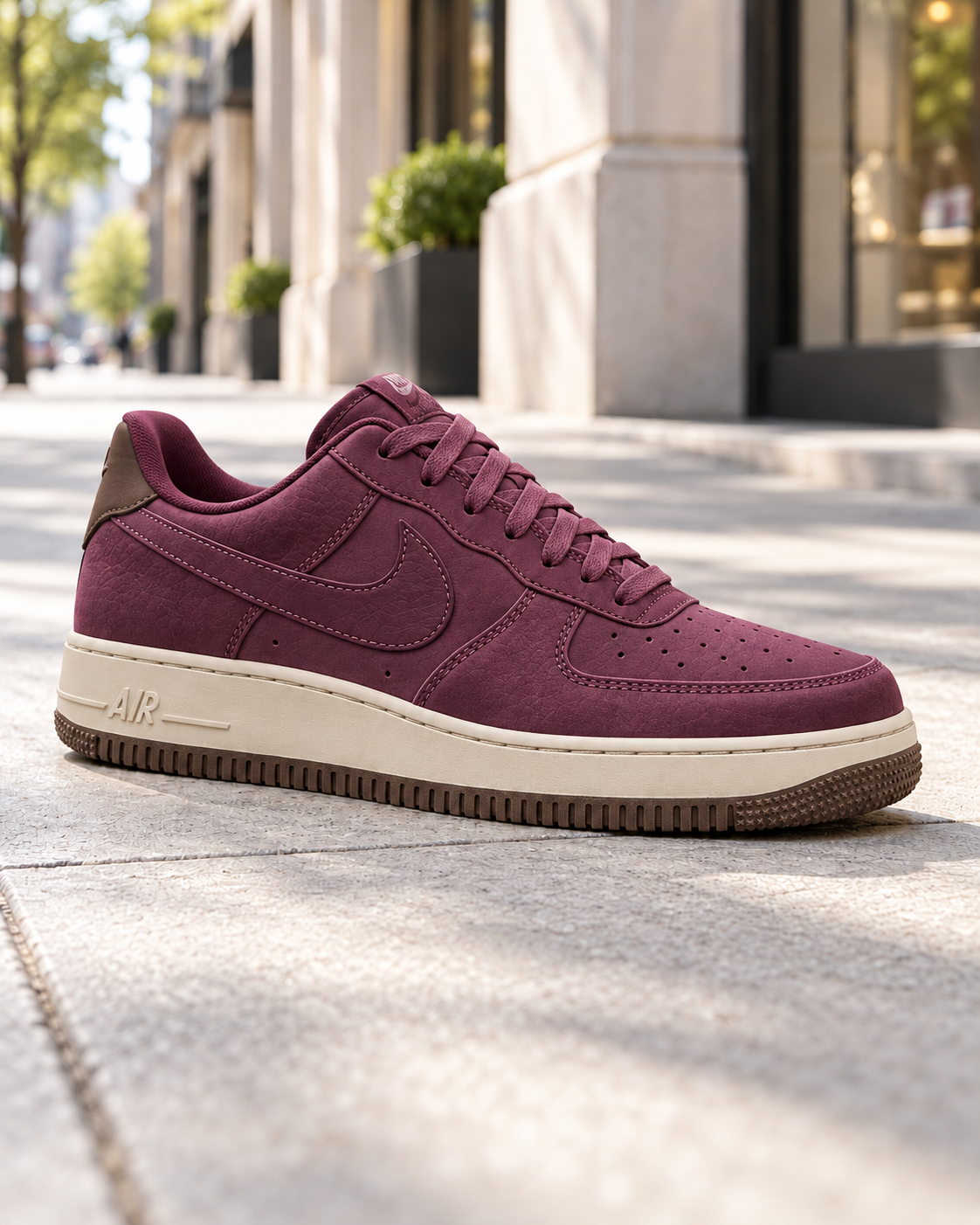
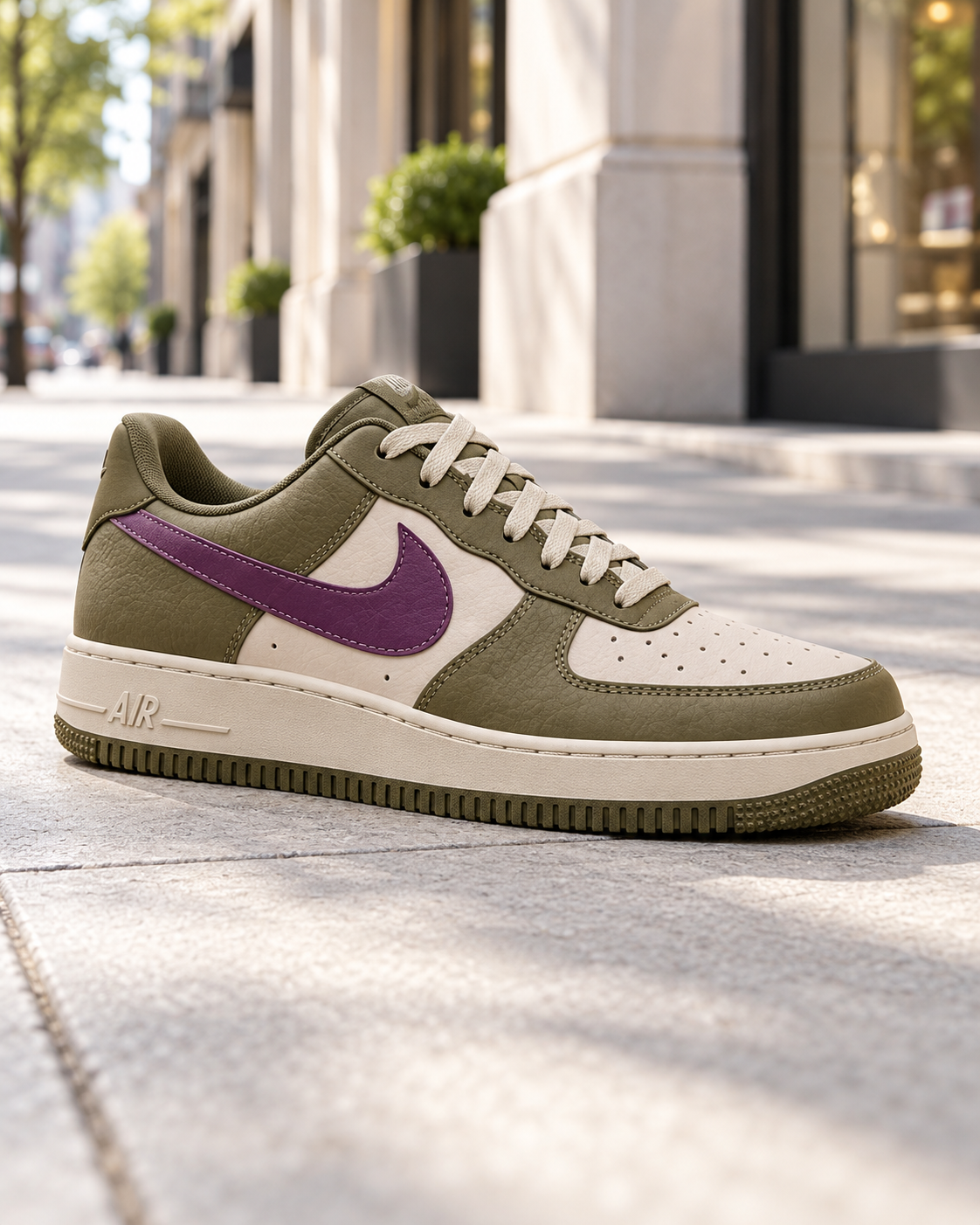
PRINT DIRECTION
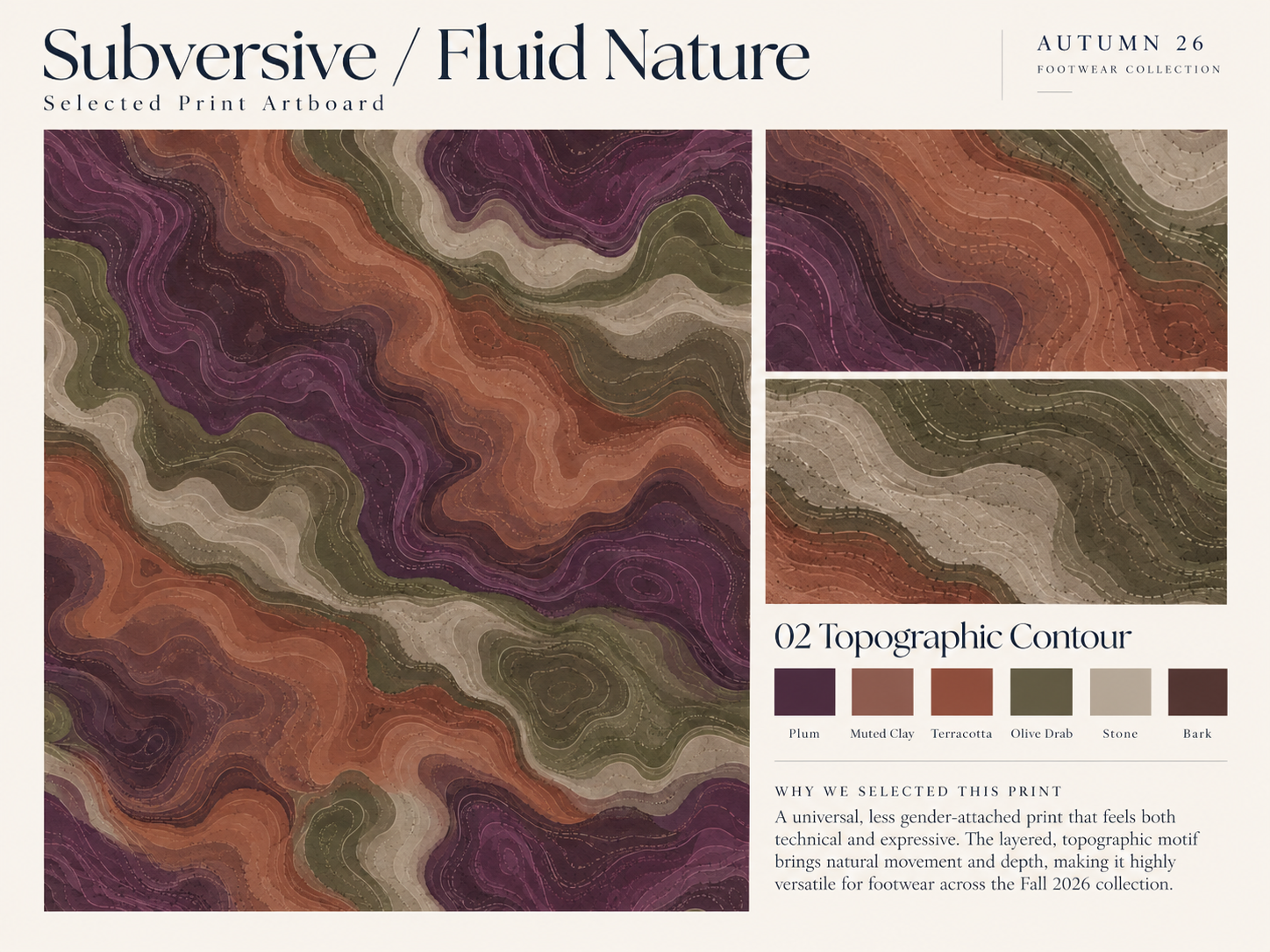
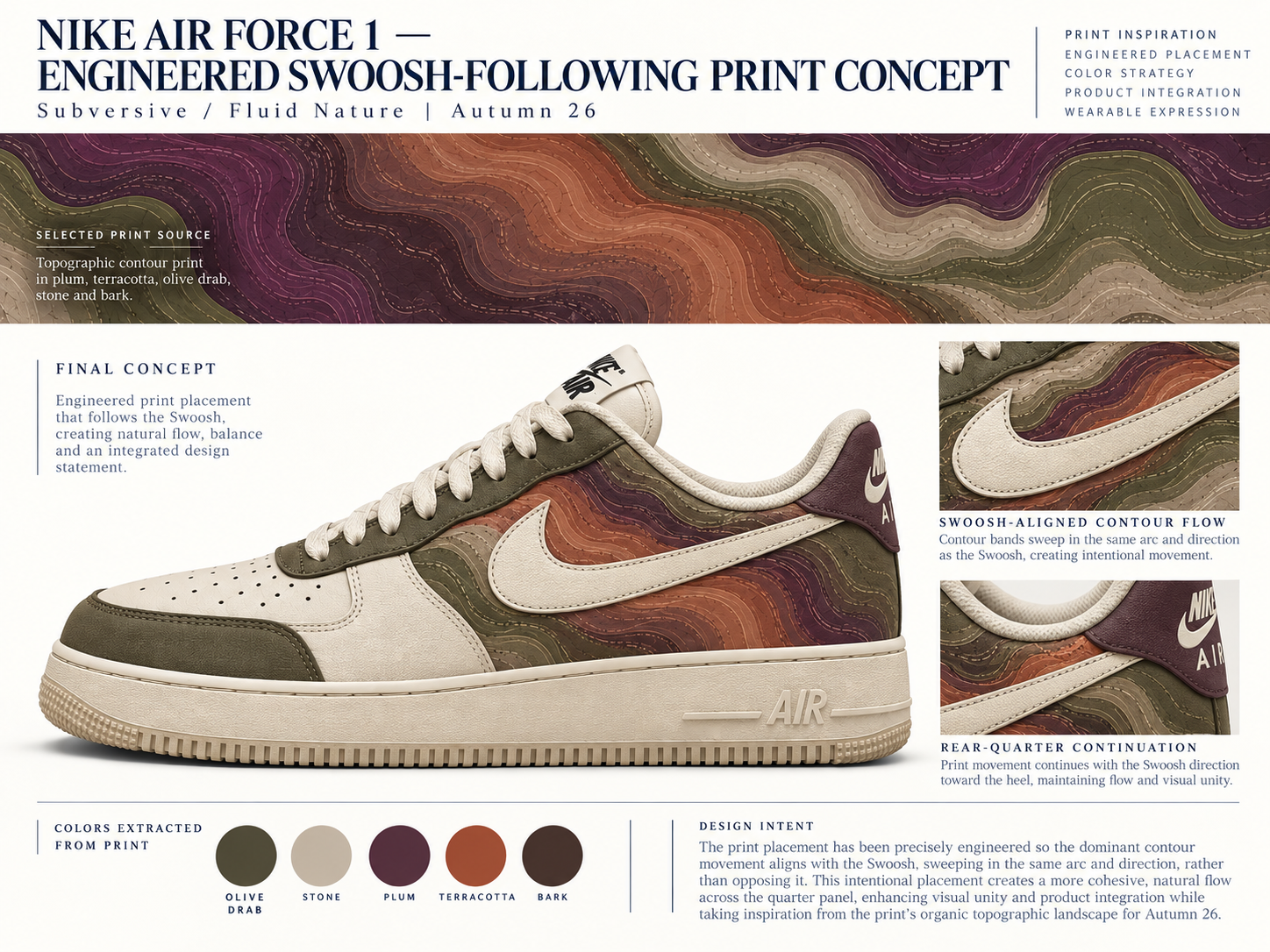
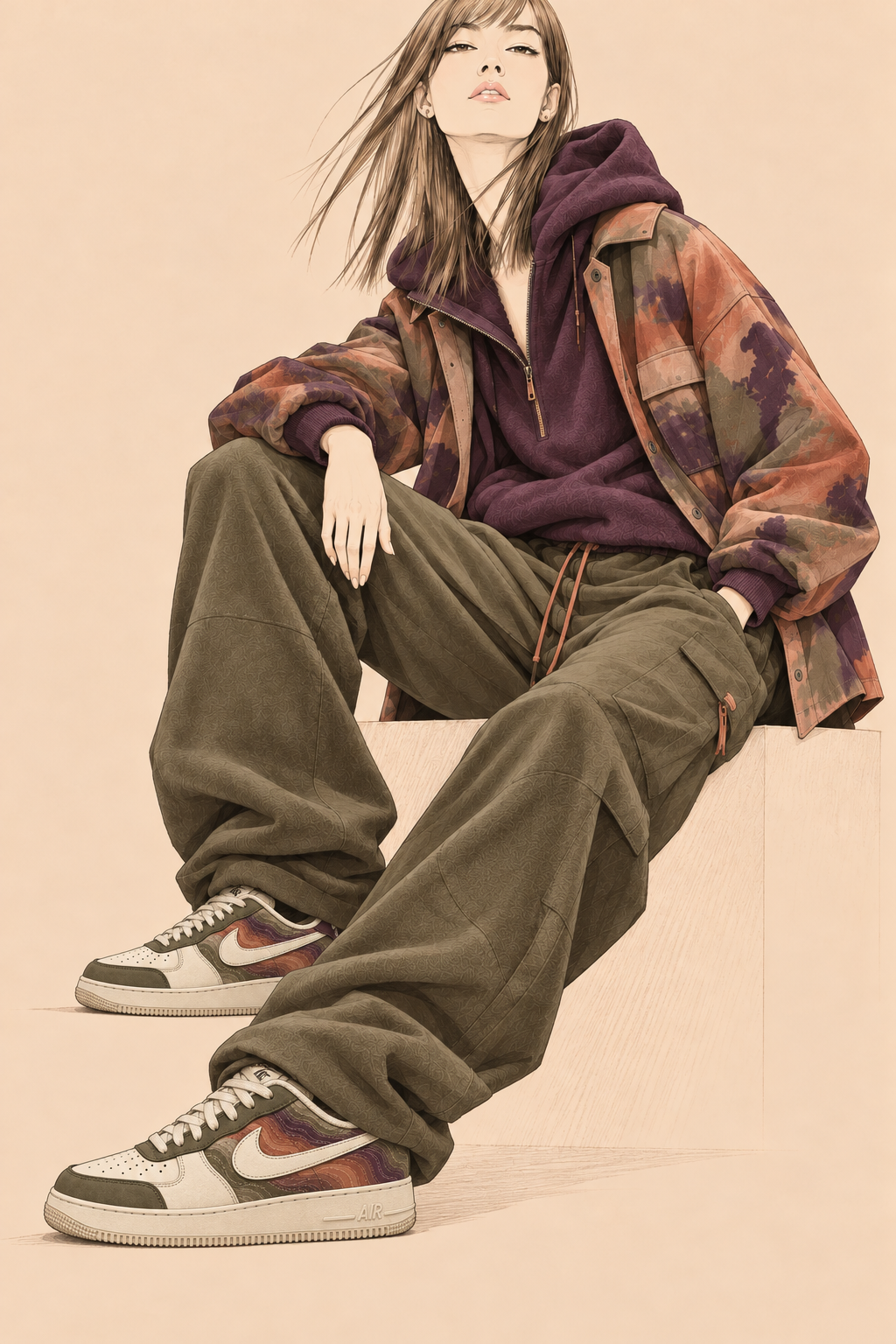
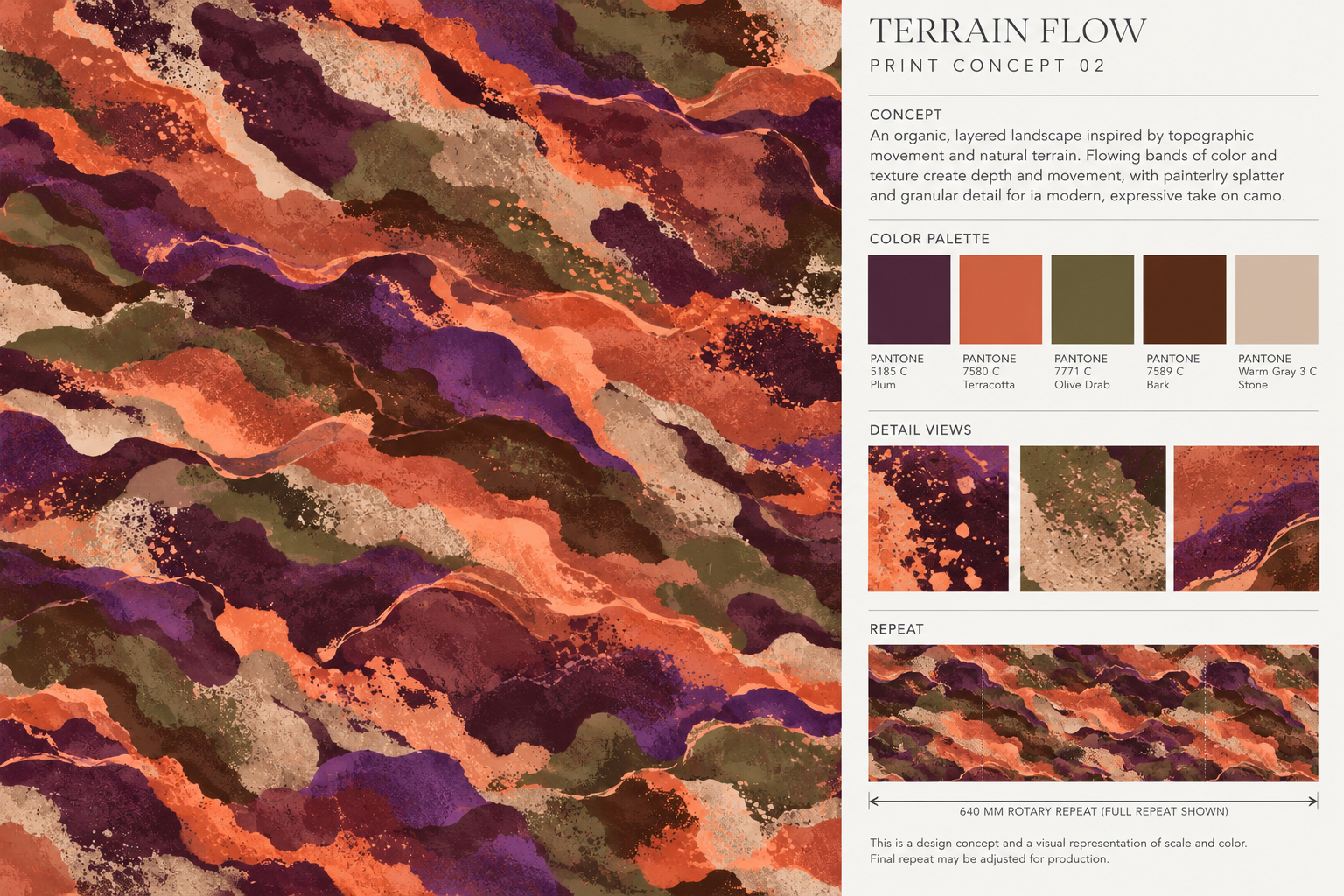
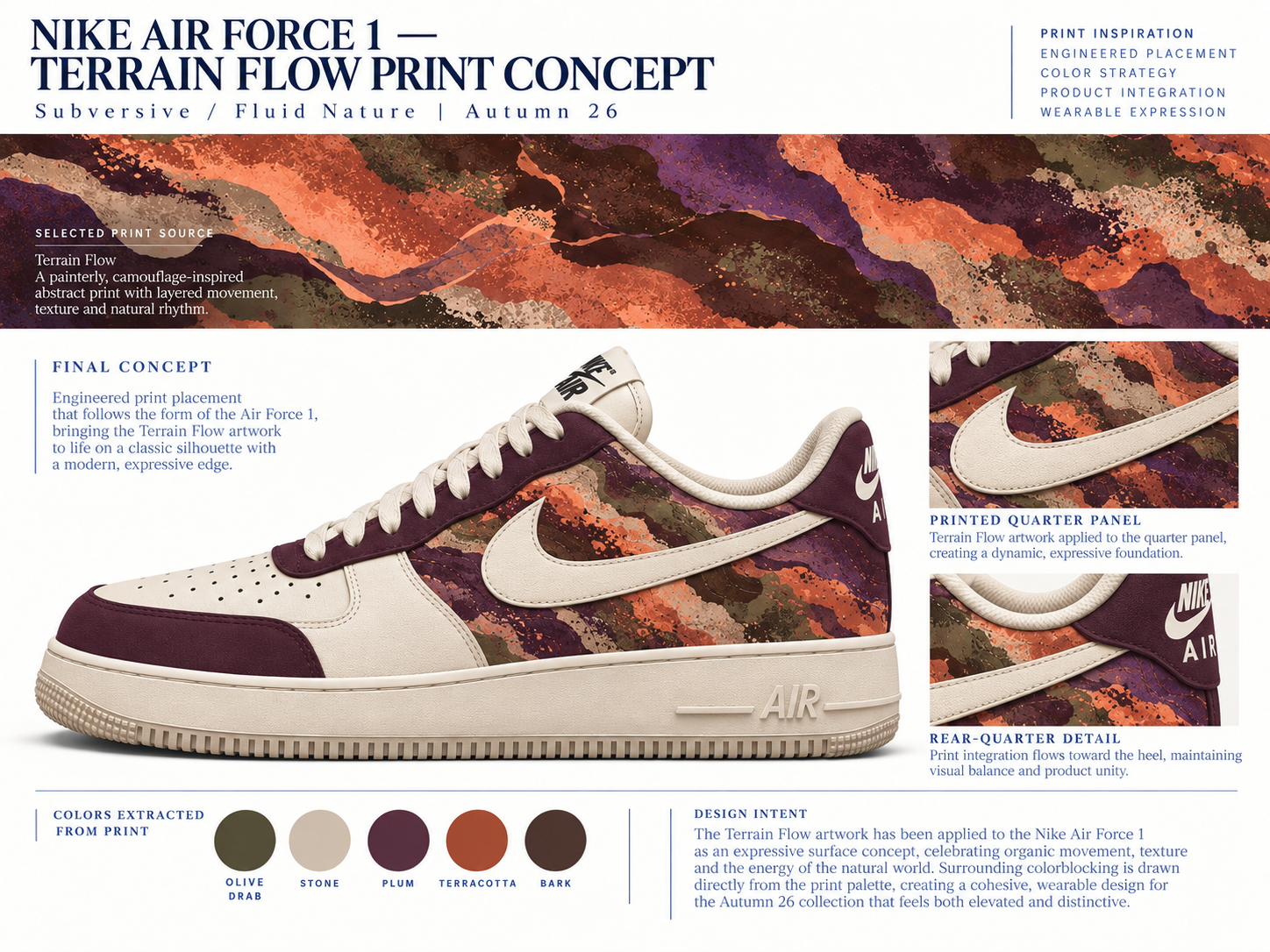
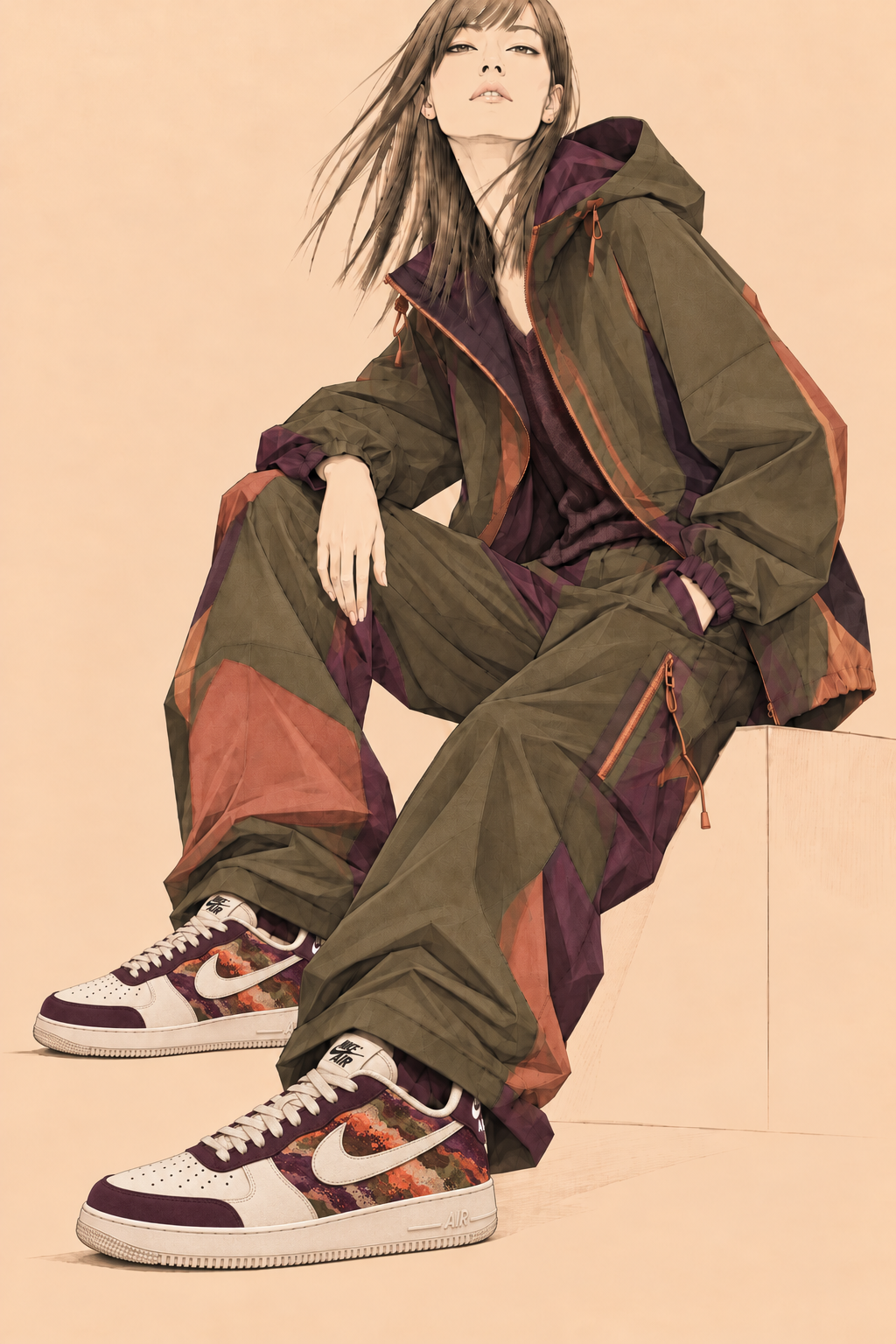
FUN FACT: The Nike Air Force 1 debuted in 1982, designed by Bruce Kilgore. It was originally a basketball shoe and an early example of Nike bringing Air cushioning into basketball footwear.
COMPARISON OF THE COLORWAY ENGINE ACROSS THE THREE SHOES

These boards represent an independent, speculative portfolio exercise. It was not commissioned, developed, or approved by Nike and is not affiliated with the brand.